JB FENTNER
Systems design for operations · Greater Boston

I make complex operations make sense.

I design and build the systems behind purchasing, inventory, freight and cost control: the dashboards, trackers and tools that show leadership, finance and purchasing what the operation is doing and what it’s costing. I’ve led purchasing and logistics myself, so the tools answer the questions the business is actually asking.

41,212 open order lines→ what each product is made of→ 18 materials to check→ 3 shortages flagged→ orders placed before 8 a.m.
Run + buildI lead the function and build the analytics it runs on
Multi-siteSystems adopted across every site, from buyers to finance leadership
4 industriesRestaurants, university dining, hotels and food manufacturing
CSCPCertified Supply Chain Professional, ASCM
Try it

From a sales order to a shopping list

This is a small version of a planning system I run every day. Change the order or the price of flour, and every requirement, shortage and cost recalculates through a multi-level bill of materials. The bakery and its numbers are made up. The logic is real.

Material planner · Sample Bakery Co. Drag a quantity or the flour price and watch the buy list change Week 42 · open sales orders · all quantities in cases
Per hundredweight (cwt, 100 lb). Commodity swings hit every product at once.
material cost for this order
materials short after open POs
order cost per +$1/cwt flour
To cover this order, buy
    Recipe breakdown for
    Requirements vs. inventory
    On handOn orderNeeded
    MaterialNeedOn handOn orderCoverageStatus

    Water is in the formulas but isn't purchased, so it's left off the buy list. The production version runs on live ERP data across a multi-site group and refreshes daily.

    Selected systems

    Problems I've taken apart and rebuilt

    Four systems where I took a manual, fragmented process and turned it into something the business decides with, plus other results. Company details are kept generic; the problems will be familiar to anyone who runs operations.

    Commercial intelligence · six operating companies

    One current view of the whole commercial picture

    Sales history lived in ERP saved searches and one-off exports. A simple question (which customers are slipping, where prices changed, what freight costs on a lane) meant a request, a wait and a spreadsheet that was stale by the time it arrived.

    I built a sales explorer on the group’s full order history, refreshed every morning. It flags customers who are slipping or have lapsed against their own ordering rhythm, tracks every price change by customer and item, maps freight cost by lane, and compares any two accounts side by side. An Ask tab answers plain-English questions about the data, and a built-in feedback loop tells me what users need next.

    ResultSales, purchasing and leadership work from one current view instead of waiting on exports, and changes in customer behavior surface the week they happen.
    Inputs
    Full ERP order history, freight records, customer and item masters
    Logic
    Customer health against each account’s own rhythm, price-change detection, freight cost per lane
    Output
    A multi-tab web app with natural-language questions
    Used by
    Sales, purchasing, leadership
    Cadence
    Refreshed every morning
    Beyond operations

    Same skills, different angle

    Products of my own, where I do the research, the design and the build. Each one takes something messy and turns it into a clear next step.

    Learning app · CFP® exam prep

    Basis

    The CFP® exam covers 8 domains and 70 topics, each worth a different share of the exam. Most study tools hand you a question bank and leave the planning to you, so people over-study what they already know and run short on time for what they don’t.

    Basis does the planning. It weighs every domain by its share of the exam and by how you’re doing, then tells you what to study next. Questions you miss come back on a review schedule, so weak spots get attention until they aren’t weak.

    • One next stepThe plan answers one question first: what should I study now?
    • Weighted priorityExam weight and your results set the order together
    • Spaced reviewMissed questions return on a schedule until they stick

    The demo runs on its own. Tap it to take over: answer the practice question and watch the plan respond. The student and their progress are fictional.

    Design rootsI trained in UX and visual design before I ever built a dashboard. Earlier case studies include redesigns of Sid Wainer & Son’s and Sysco’s ordering sites and the Crate app concept. Behance ↗ Dribbble ↗

    How I work

    Start with the decision, end with something your team owns

    A system, to me, is the data, the rules and the habits that together produce a decision. I design all three, because a report nobody acts on isn’t a system.

    1. Understand the decision

      I start with what leadership needs to decide, then learn how the operation actually runs and where the time and money go.

    2. Find the source of truth

      Most operations problems are data problems underneath. I map what lives in the ERP, the spreadsheets and people's heads, then settle on one source everyone can trust.

    3. Build the smallest thing that works

      A tool people use on Monday beats a perfect one next quarter. I ship early and refine it with the people using it.

    4. Make it outlast me

      Documented logic, automated refreshes and a clean handoff, so the system keeps running without me in the room.

    Collaborate

    Hire me, or bring me in on a project

    For teams

    If you're building out or modernizing purchasing, supply chain or reporting, I bring both halves: I can run the function and build the systems behind it.

    • ProcurementSourcing, supplier management, negotiation, spend analysis
    • PlanningInventory, demand planning, BOM and MRP logic
    • LogisticsCarrier bids, landed cost, freight risk
    • SystemsNetSuite, Power BI, Power Query, Python, AI tooling

    For businesses

    Growing operations often run on spreadsheets and instinct until margins get tight. I set up the controls that show you where the money goes and keep it visible. Most engagements start with a short cost-visibility review: a couple of weeks with your numbers, then a plain list of what’s worth fixing first.

    • Cost controlsFood and recipe costing, what you should be paying vs. what you are, where margin leaks
    • Purchasing & inventoryPar levels, when to reorder, counts that match the books
    • ReportingDashboards built on the POS, accounting or ERP data you already have
    • FreightCarrier bids and the true delivered cost of what you buy
    JB Fentner
    About

    I’ve spent my career where operations meet the numbers. Whatever the title, the job keeps turning into the same one: work out how the business actually runs, then build the systems that let the people making decisions see it clearly.

    I started in restaurant kitchens, running the P&L alongside the menu. From there I led production and purchasing for a university dining program, with a team of about 90 and roughly $10M in annual spend, then built purchasing and inventory from the data up at a full-service hotel. Today I lead purchasing and logistics for a multi-site food manufacturer with about $20M in annual spend.

    At each stop the role outgrew its title. I took on transportation, built the analytics layer that purchasing and finance now run on, and got teams across sites working from the same numbers. Most of the tools on this page began as a question leadership kept asking that took too long to answer.

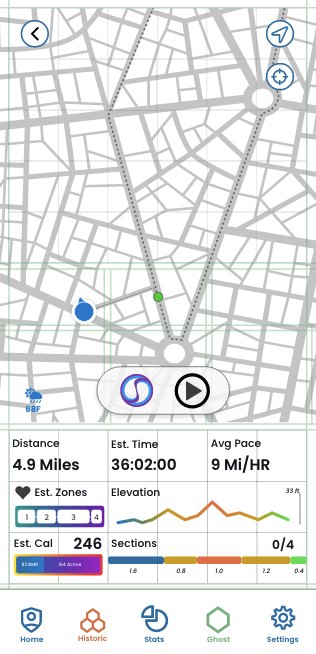
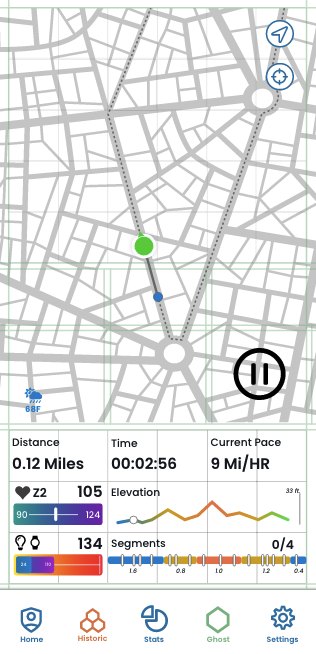
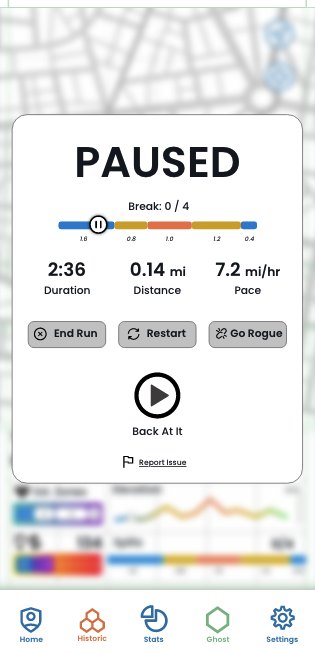
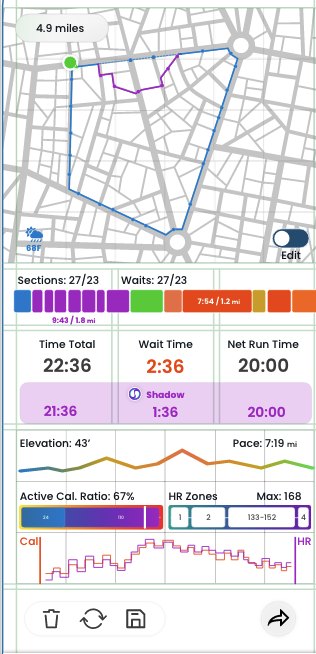
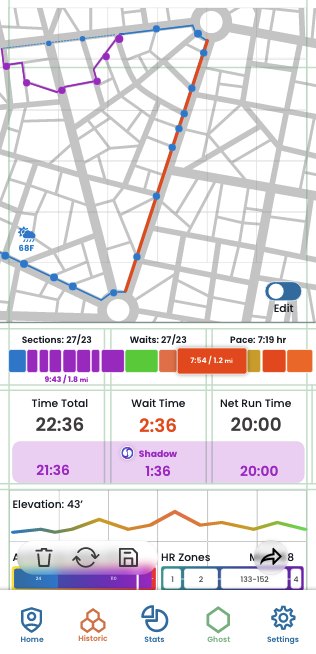
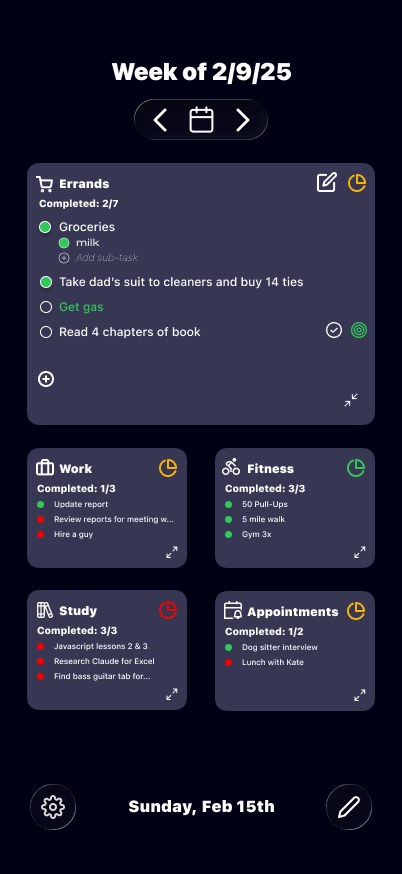
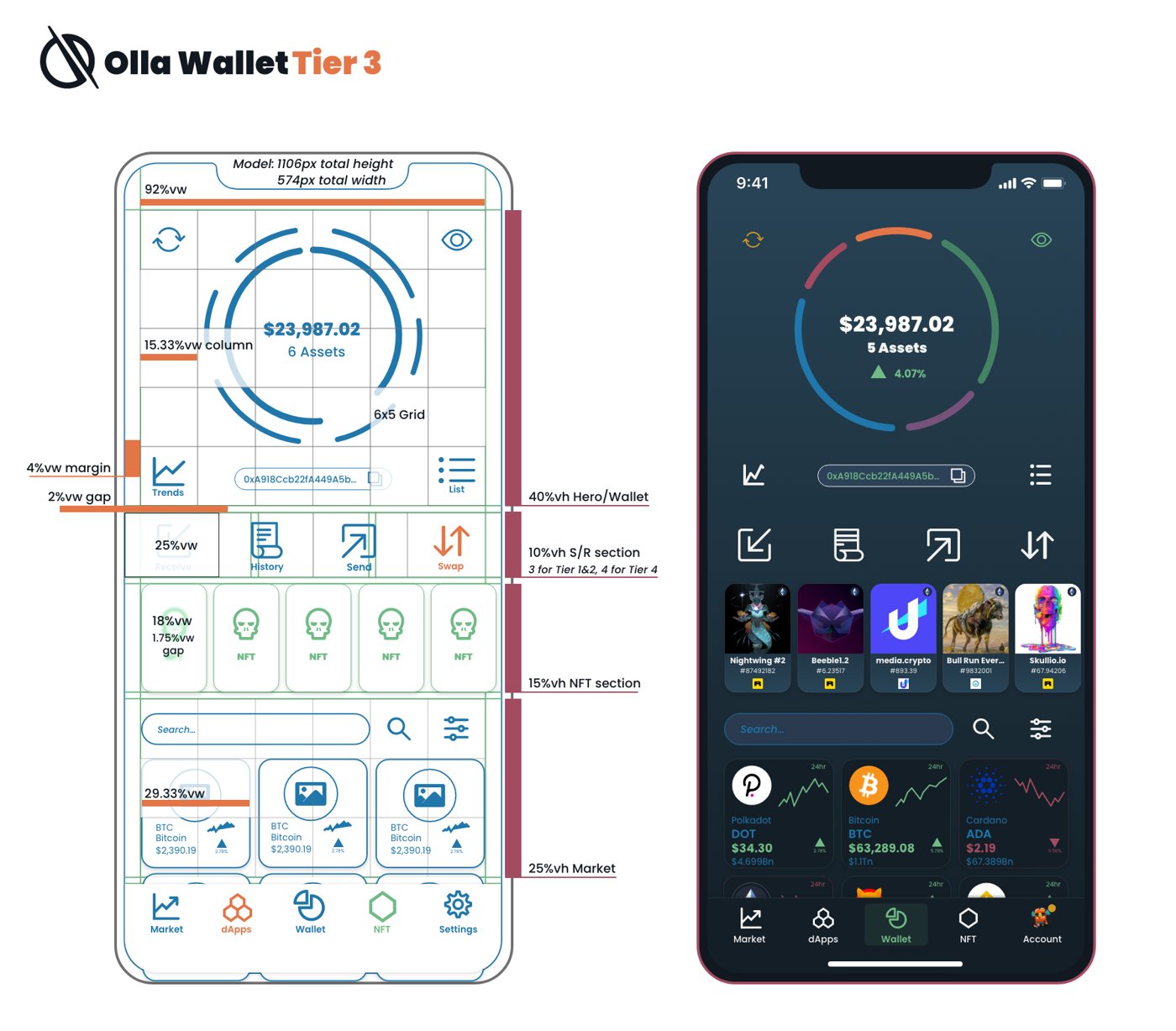
    Design is where I started. I trained in UX and visual design before I built my first dashboard, and I still design and build products of my own. Runnit, Tasquel and Basis are where I try ideas end to end, from research to a working build.

    I’m a Certified Supply Chain Professional through ASCM, with training in data analytics, project management and interaction design. I work in NetSuite, Power BI, Excel, Python, SwiftUI and AI coding tools, and I’m based in the Boston area.

    Get in touch

    Have a process that doesn't make sense yet?

    Tell me what's slow, manual or hard to see. I'll tell you honestly whether I can help and what the first useful step looks like.

    Or find me on LinkedIn ↗. Based in Greater Boston; on-site locally or remote.